Set limits before a promotion enters the decision
Gambling should use only money that can be lost without affecting essentials, debt payments or savings commitments. Before browsing Zora.bet, choose an amount and a session duration before opening a game or offer. A bonus cap, quest target or tournament position should not increase those limits. The useful limit is the one decided calmly before play, not a revised amount chosen after an unfavourable result.
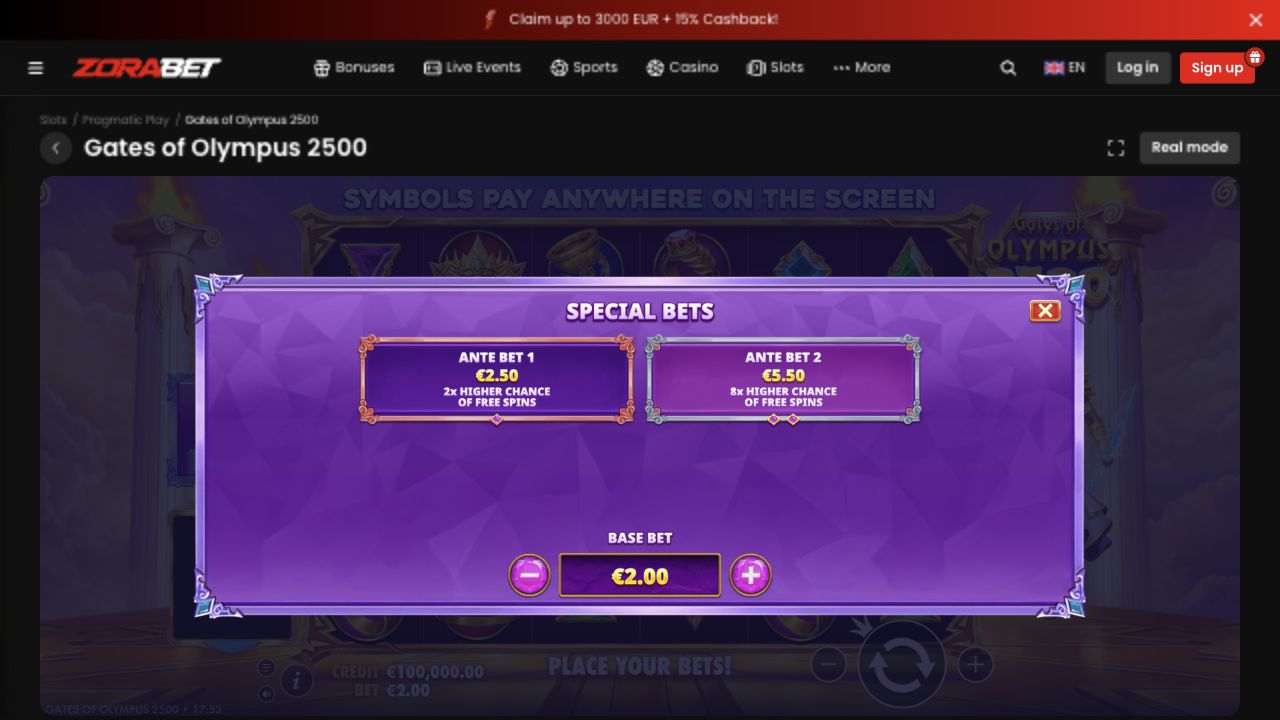
Keep the cost of a round clear. Optional feature purchases can be much more expensive than a regular spin, while quick-round games can accumulate turnover rapidly even at a small nominal stake. Pause when switching format and check the total amount selected. The game guides explain these differences so that interface familiarity does not conceal a change in exposure.
Practical application
Set a money limit and an ending time before opening the catalogue. A loss limit, a deposit limit and a limit on one stake control different things; one does not replace the others. Do not raise a planned limit during play simply because a promotion, mission or unfinished bonus remains visible.
Give each limit a precise job
A deposit limit concerns money entering an account over its defined period. A stake limit concerns the amount committed by an action. A loss limit concerns a particular calculation of net loss, while a time limit concerns duration. They can complement one another, but the name of one does not prove that it controls all the others. Inspect the scope of any account tool before relying on it.
A personally planned session boundary also needs an explicit definition. Write whether the amount refers to the maximum starting allocation, a net-loss threshold or another clearly identified measure. An ambiguous instruction such as stop after twenty can change meaning when the balance moves or a bonus appears.
Keep a ledger that separates activity from result
For an illustrative session, start with a €25 allocation. Four €1 rounds create €4 of turnover. If their combined returns are €2.50, the net change is minus €1.50 and the resulting balance is €23.50 before other entries. The €4 turnover and €1.50 net loss answer different questions. Neither should be silently substituted for the original €25 boundary.
When a paid feature or several simultaneous selections are added, record the full commitment. A small base-stake label can understate the amount used by a purchase or a repeated-play batch. The ledger should reflect the instruction actually accepted, not the most prominent small number on the screen.
Treat pending results and rewards as unavailable for planning
A displayed potential return, unaccepted Cash Out offer or unfinished loyalty task is not completed income. Counting it as extra available money makes the spending plan depend on an event that has not occurred. Keep pending items in a separate column until the account records their outcome.
Promotional credit also needs its own label. Even when it is visible beside cash, it may have different usage or withdrawal conditions. Do not increase the personal cash limit merely because the combined balance looks larger. The reward and the amount you can afford to lose are different measures with different purposes.
Use an ending procedure, not just an intended ending time
At the planned stopping point, finish checking the status of accepted actions, close the game and record any unresolved reference that needs support. An unresolved query can be handled without beginning another paid session. On a shared device, sign out so the account is not left open to another user.
If the boundary is repeatedly difficult to maintain, use the account's available restriction or self-exclusion options and read when they take effect. Do not assume a setting has activated before confirmation. Stepping away remains possible even when a promotion, streak or task is unfinished. A useful budget procedure is one that works after both wins and losses, rather than changing whenever the interface presents another reason to continue.